
On 16 July 2026, the South African Environmental Observation Network (NRF-SAEON) hosted an interactive National Science Month public engagement programme, “Why do Oceans Matter to Inland Communities,” at Nirox Sculpture Park, in partnership with the Department of Science, Innovation, and Technology (DSTI) and the University of Witwatersrand. The event brought together community members to explore the important connections between inland communities and the ocean. The programme was designed to make ocean science accessible and relevant to all South Africans. It demonstrated how the ocean influences weather, rainfall, freshwater systems, biodiversity, and Blue economic opportunities, regardless of how far people live from the coast.
The programme started with a river walk to understand the challenges that communities experience with the quality of water in the local river. This interaction provided insights into the history and dynamics of the ecological changes in the community over time. Thereafter, the formal event started. The keynote address was delivered by Dr Gilbert Siko, Director of Marine and Polar Research at the Department of Science, Technology, and Innovation.
The event featured a series of engaging presentations and hands-on activities delivered by scientists and science communicators from partner institutions. Professor Craig Sheridan from Wits Water and his students facilitated a water purification activity that turned a complex scientific process into something tangible and meaningful. This activity showed our community that the solutions to our water challenges begin with understanding.
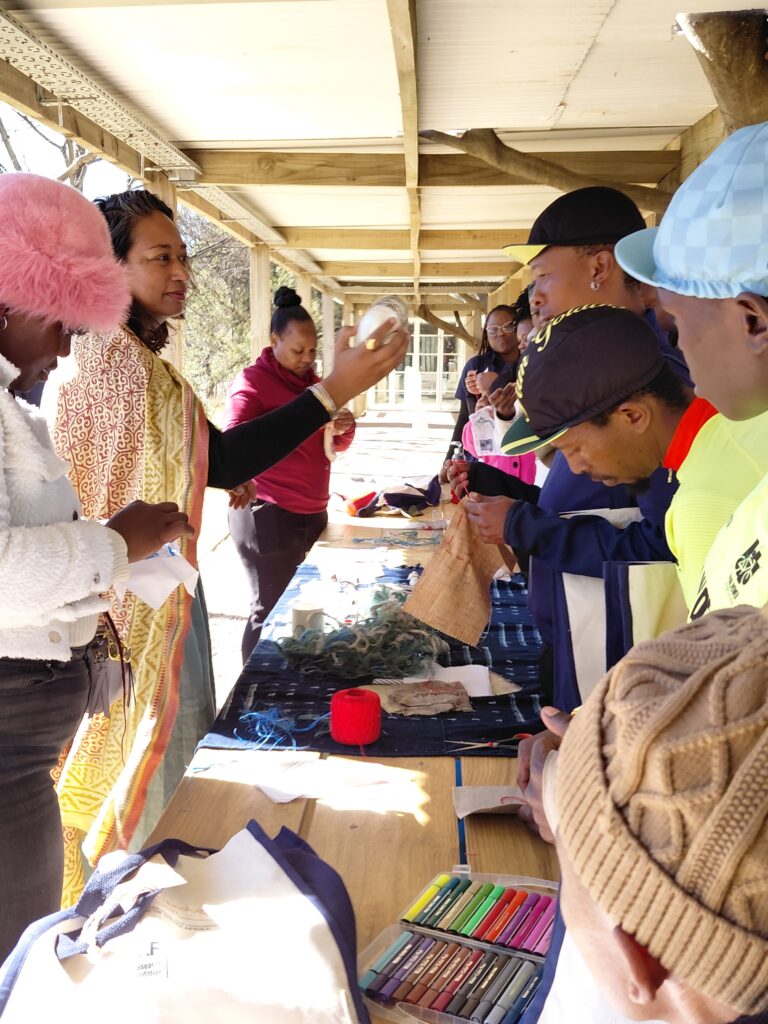
SAEON science engagement team facilitators Caitlin Ransom, Mamere Molepo and Dipuo Masebe presented an activity, “From Kromdraai to the Indian Ocean”, an interactive activity that illustrated how rivers connect inland communities to the sea. The activity helped the community to appreciate the interconnectedness of South Africa’s river systems and highlighted the important role inland communities play in protecting freshwater and the marine environment. Communities shared insights during this session on their cultural connections to the river, the significance and meaning of different environmental indicators in their community.
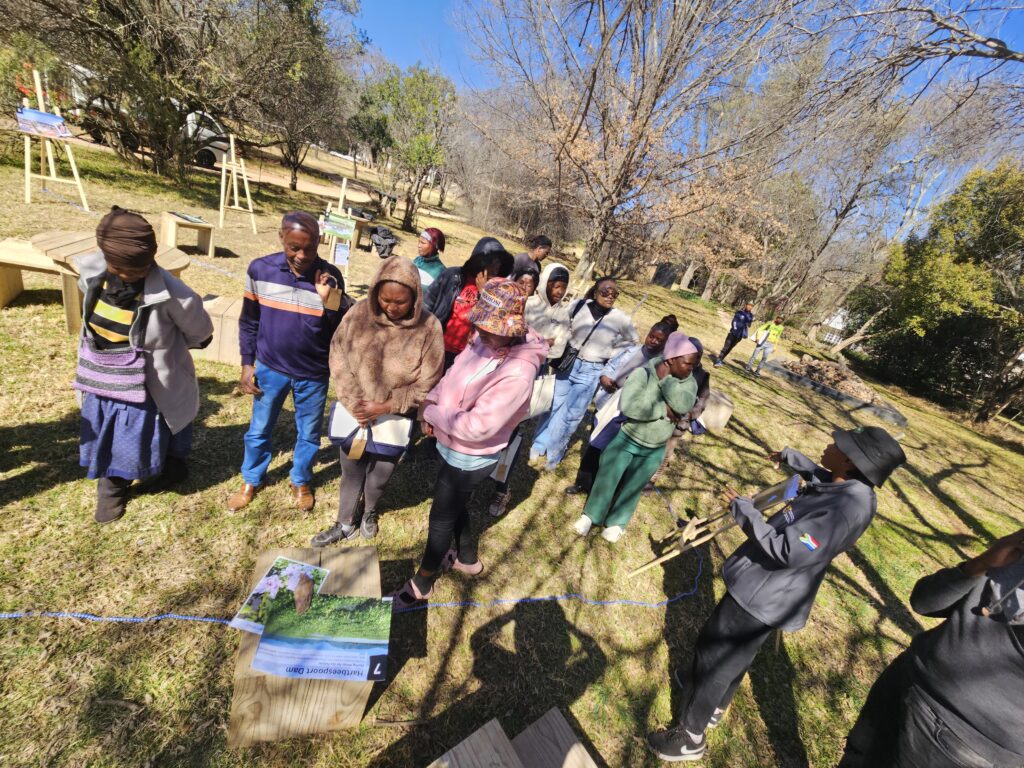
Dr. Toka Moskidi from EFTEON at SAEON and Dr. Renzo Fillinch from Wits University introduced community members to environmental acoustics through the soundscapes activity, encouraging them to explore how scientists use sound to study ecosystems and monitor environmental changes. This was a reminder that the environment speaks to us — and that science teaches us how to listen.
Dr. Ramontsheng Rapolaki of the South African Weather Service presented on the ocean’s influence on rainfall and temperature, connecting the abstract to everyday life in the most powerful way by making climate science feel personal, urgent, and hopeful — all at once.
Mr. Odwa Mtati from the South African International Maritime Institute (SAIMI) provided opportunities for inland communities to be part of the Blue Economy. He reminded communities that the Ocean Economy is not just for those who live near the ocean but for all South Africans.
Throughout the day, the community members, especially the youth, actively engaged with researchers, participated in discussions, and explored interactive exhibits that encouraged curiosity and a deeper understanding of environmental processes. The eagerness shown by participants reflected the value of creating opportunities for communities to interact directly with scientists and experience science in an interesting way.
The programme also celebrated creativity through the announcement of the Ocean Art Competition winners, reinforcing that environmental awareness can be expressed through both science and art by Ms Fhumulani Ramukhwatho from the Department of Science, Technology and Innovation (DSTI). Samuel Mbada won first prize for his fruit basket made from wood and plastic rope. Christina Khunju was awarded second prize for her cardboard jewellery box, while Gladys Tswagodimo received third prize for her model of a river stream.
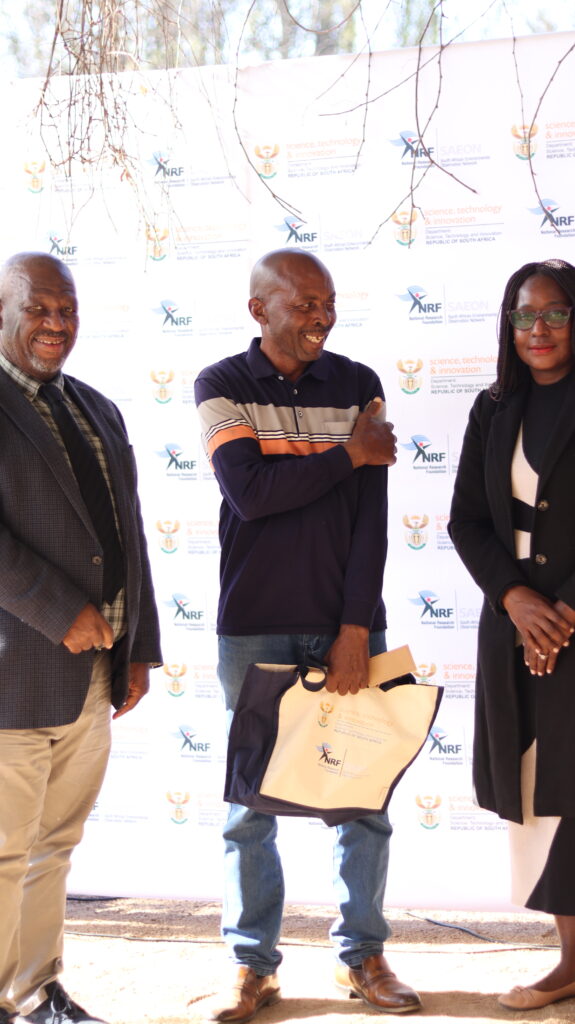
The programme concluded with a vote of thanks by Kogie Govender that highlighted the importance of collaboration between research institutions, government departments, universities, and environmental organisations in strengthening public understanding of ocean science.